History Told With a Quill: Manuscripts, Fragments and Charters of the Humboldt University Library
Describing Medieval Manuscripts, fragments and Charters
In an international summer course at the Humboldt-Universität zu Berlin, students discover codices, fragments and charters in the historical collections of the University Library. The aim is to gain access to the original materials, examine their provenance, and transcribe and identify the texts. In a second step, the results will be registered in the specialized platforms Handschriftenportal and Monasterium.
An important subject of the course is the Deed collection of the University Library, comprising over 150 preserved charters, assembled for palaeographic and diplomatic studies, a collection which dates back to a donation by the archivist and lawyer Friedrich Kopp in1820 to the Prussian king. This teaching collection is being used in the summer school in accordance with its original purpose.
In addition to the Deed collection, which has already been well documented, the students will also examine and identify a number of objects that have not yet been described, particularly fragments and in-situ fragments bound into early prints.
21. -25. september 2026
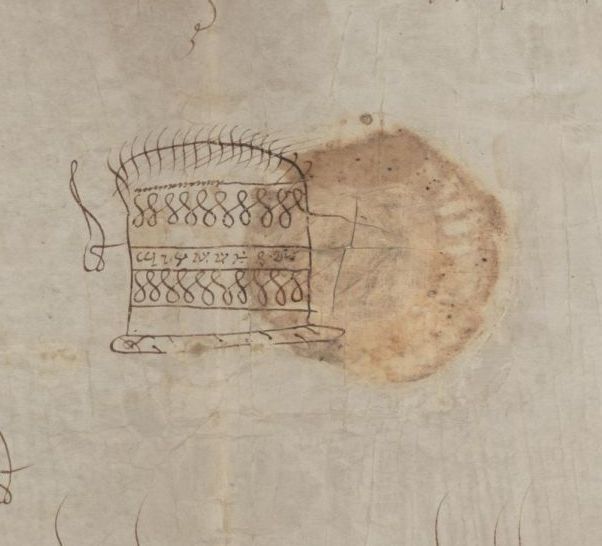
Scholarly Treasures
The teaching collection at the Humboldt Universität contains some remarkable objects
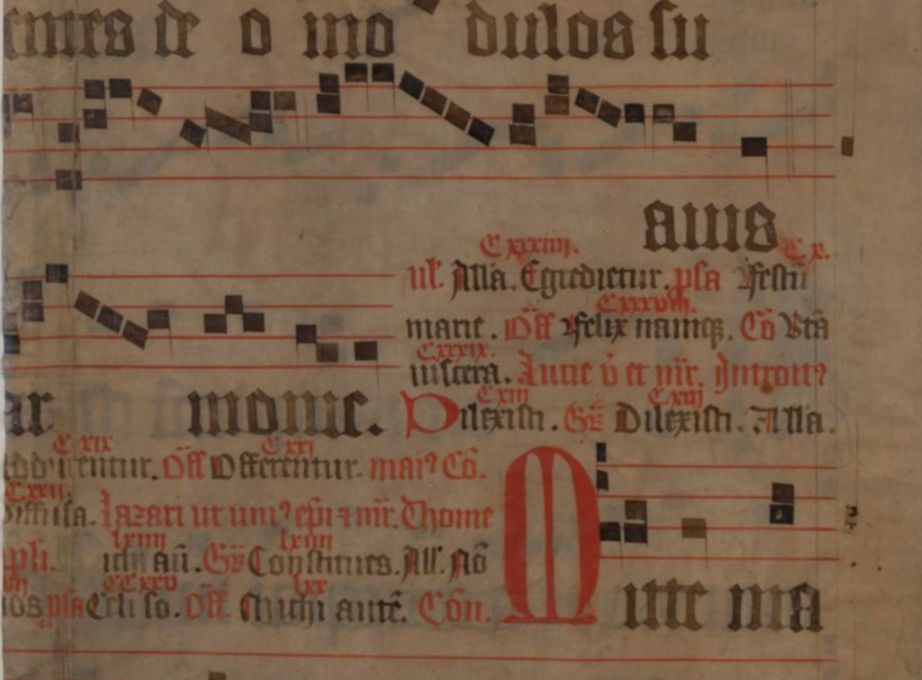
Fragments
A big amount of European medieval manuscripts survives in the form of fragments: pages, quires or only parts of pages. After a manuscript "had outlived its usefulness" in the eyes of the contemporary users, it often became manuscript waste, and eventually ended up in bindings of newer manuscripts or early prints. Such a way of recycling was rather common.
Despite very limited amount of material to work with, more information than it seems, can be gleaned from a fragment. The main task, alongside physical description of the fragment, is to identify the text, the script and date and place of origin. You can see the results of our research presented in the exhibition.
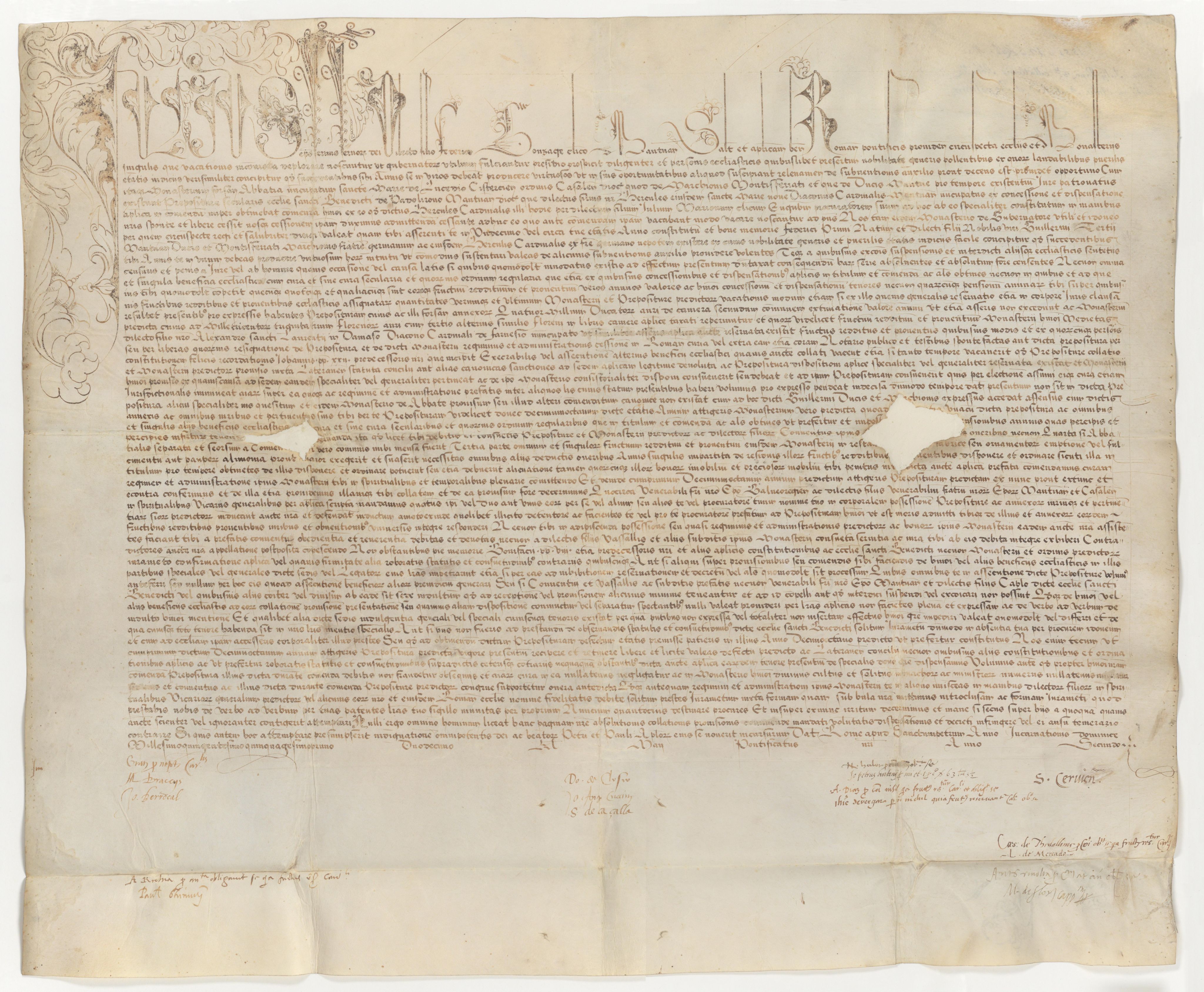
Charters
Charters may not look as beautiful as famous illuminated manuscripts, but they provide us with a great deal of important information about administration and everyday life in the past. They include letters, records of transactions, changes of ownership, confirmations and many other. In this room, we want to show you examples of such documents, which may seem ordinary at first glance but can bring us closer to understanding life in the past.
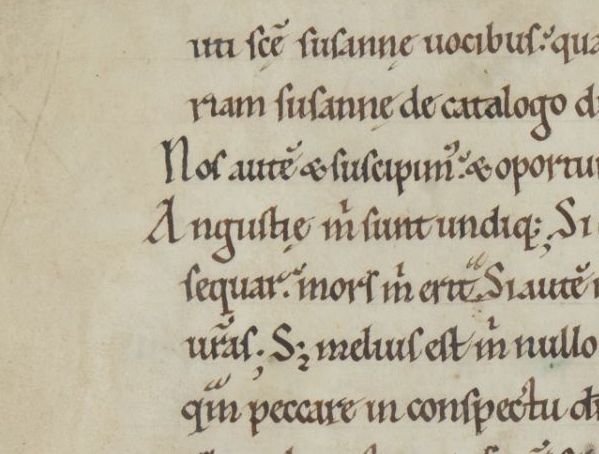
Manuscripts
In this room, you will encounter medieval manuscripts primarily dating from the 11th to the 13th century. Before the invention of the printing press in the mid-15th century, every single codex was a unique, hand-crafted artifact.
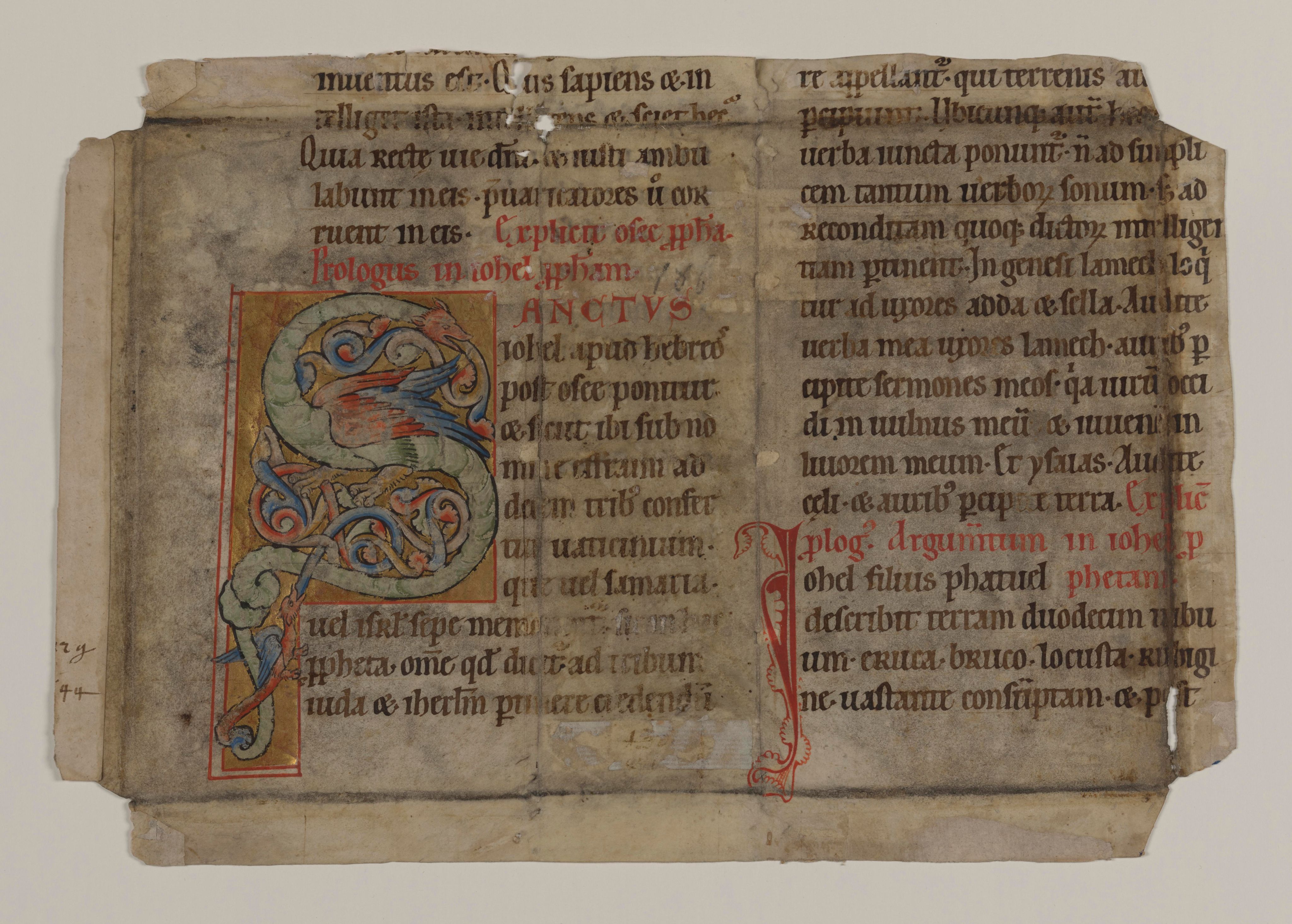
(Dis)Continuities in texts and margins
Medieval manuscripts and fragments feature endlessly fascinating structures. The Humboldt Universität collection allows us a look into how manuscripts were made and built: different hands and texts are conjoined in the same manuscripts, marginalia give indications about the content of copied texts and embellish these objects. We even encounter mistakes and corrections, highlighting the discontinuities in the making of manuscripts throughout the Middle Ages.
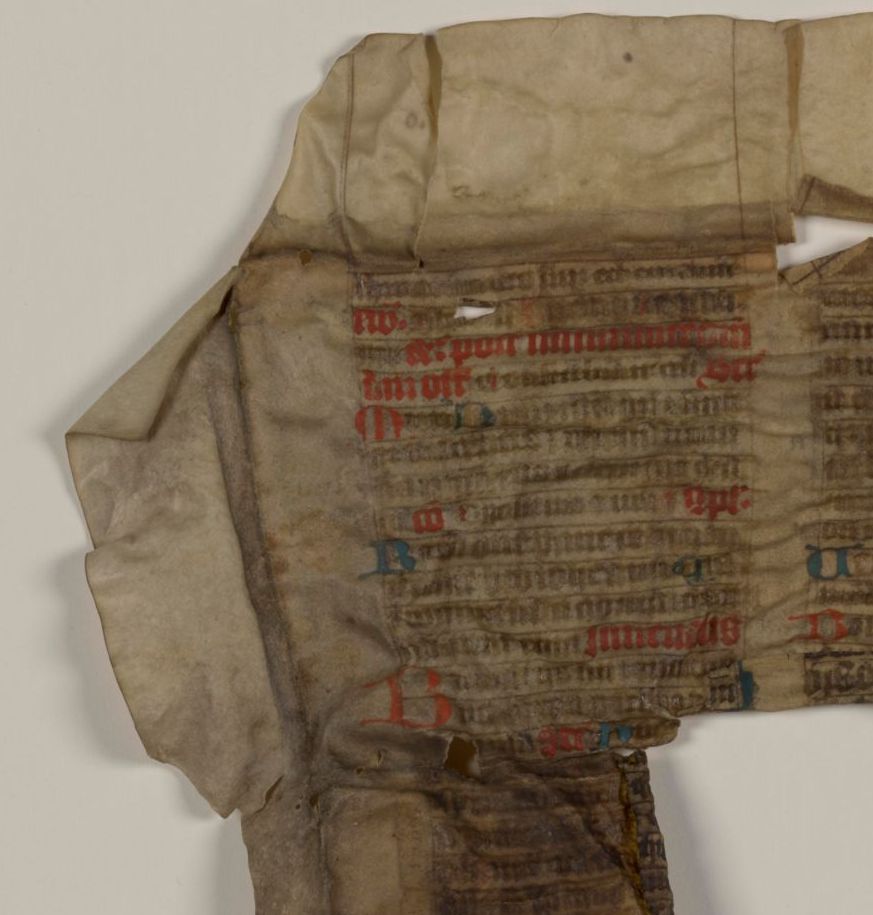
To be religious or not to be
The fragments found in volumes of the HU Universität zu Berlin Library give us a dive into the religious life of the medieval times. Jewish and Catholics, clerks and regulars, scholars and notables have produced, read, heard, learned about worship, dogmas and theology through liturgical books, gloses and sums, or described glimpses of their religious habbits and lives through charters.